


Understanding Why Your Generator Runs Every Week
When your generator starts running every week, it can raise questions and concerns. Why does it need to run so often? Is it a sign of a problem? Or is it simply part of normal maintenance? For homeowners who rely on generators for backup power, understanding the reasons behind this weekly operation is essential. This knowledge helps you keep your generator in good shape and ready when you need it most.
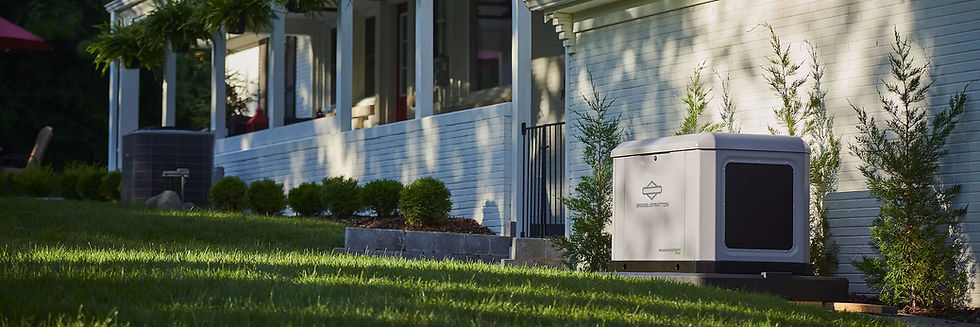
Why Generators Run Regularly
Generators are designed to provide power during outages, but they also need regular running to stay in good working order. This regular operation is often called generator exercise. It involves running the generator for a short period, usually once a week, to keep its engine and components lubricated and ready.
The Purpose of Weekly Generator Exercise
Prevent Fuel Degradation
Fuel sitting unused in the tank can degrade over time, causing clogs and poor engine performance. Running the generator helps circulate the fuel and prevents it from becoming stale.
Lubricate Engine Parts
When the generator runs, oil circulates through the engine, lubricating moving parts. This reduces wear and tear and prevents corrosion.
Charge the Battery
Generators rely on a battery to start. Weekly running keeps the battery charged and ready for emergencies.
Detect Problems Early
Regular exercise allows you to spot issues like low oil pressure, leaks, or unusual noises before a real power outage occurs.
How Often Should a Generator Run?
Most manufacturers recommend running your generator once a week for about 15 to 30 minutes. This schedule balances keeping the generator healthy without causing unnecessary wear.
Factors That Influence Exercise Frequency
Type of Generator
Portable generators may require less frequent exercise than standby generators, which are permanently installed and connected to your home.
Climate and Environment
In humid or cold climates, more frequent running can prevent moisture buildup and freezing issues.
Fuel Type
Diesel, natural gas, and propane generators have different maintenance needs. For example, diesel fuel can degrade faster, so more frequent exercise might be necessary.
What Happens During Generator Exercise?
When your generator runs weekly, it goes through several important processes:
Engine Warm-Up
The engine reaches its operating temperature, which helps burn off moisture and prevents rust.
Oil Circulation
Oil moves through the engine, lubricating parts and carrying away heat.
Fuel System Check
Fuel flows through injectors and filters, preventing blockages.
Battery Charging
The generator’s alternator charges the starting battery.
This exercise mimics the conditions during a power outage, ensuring your generator will perform well when needed.
Signs Your Generator Needs More Attention
If your generator runs every week but still shows signs of trouble, it might need extra care. Watch for these warning signs:
Unusual Noises
Grinding, knocking, or rattling sounds can indicate mechanical problems.
Frequent Running Without Power Outages
If your generator runs more often than scheduled, it could mean an electrical issue or faulty transfer switch.
Difficulty Starting
A weak battery or fuel problems can cause startup failures.
Smoke or Odors
Excessive smoke or strange smells may signal engine trouble or fuel leaks.
If you notice any of these, schedule a professional inspection to avoid costly repairs.
Tips to Keep Your Generator Healthy
Maintaining your generator goes beyond weekly exercise. Here are some practical tips for homeowners:
Check Oil and Filters Regularly
Change oil and filters according to the manufacturer’s schedule, usually every 100 to 200 hours of operation.
Keep Fuel Fresh
Use fuel stabilizers if your generator sits unused for long periods.
Inspect Battery Condition
Clean terminals and check voltage monthly.
Test Transfer Switch
Ensure the automatic transfer switch works properly to switch power during outages.
Store Generator Properly
Keep portable generators in a dry, ventilated area.
When to Call a Professional
Routine maintenance and weekly exercise keep your generator ready, but some tasks require expert attention. Call a licensed technician if:
You hear persistent unusual noises
The generator fails to start after exercise
You detect fuel leaks or electrical issues
It’s time for a major service or parts replacement
Professional service ensures safety and extends your generator’s lifespan.
Understanding the Value of Weekly Generator Exercise
Running your generator every week is not just a routine—it’s a vital part of protecting your home. This exercise keeps the engine healthy, prevents fuel problems, and ensures your backup power is reliable. For homeowners, this simple practice can save time, money, and stress when the power goes out.
By following manufacturer guidelines and paying attention to your generator’s condition, you can enjoy peace of mind knowing your home will stay powered through storms, outages, or emergencies.


