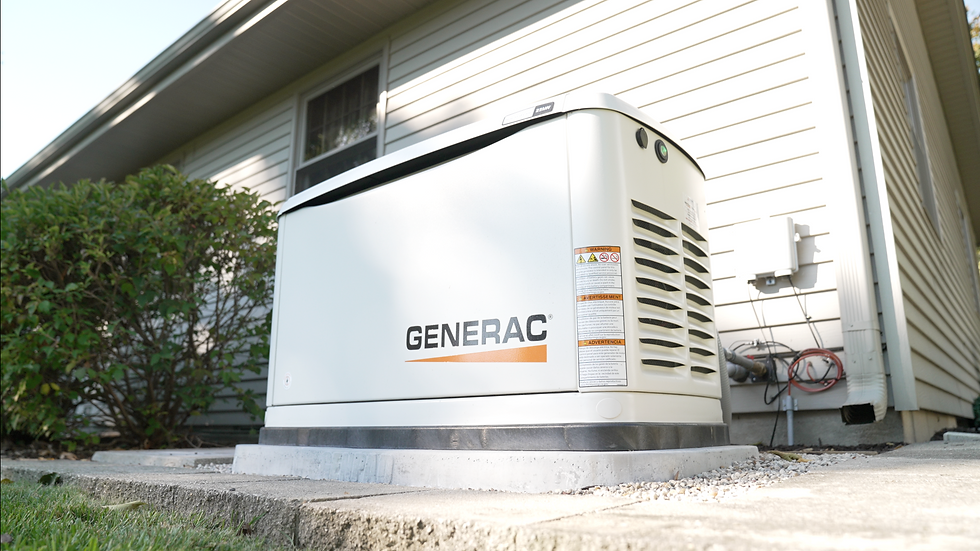
Finding the Ideal Generator Size for Your Home's Year-Round Energy Requirements
When the power goes out during a sweltering summer heatwave or a freezing winter storm, having a reliable generator can make all the difference in maintaining your home’s comfort. Choosing the right size generator is essential to keep your home running smoothly through these extreme seasons. This guide will help you understand how to select the best generator size for your home, ensuring you stay comfortable no matter the weather.

Understanding Your Home’s Power Needs
Every home has a unique power demand based on the number of appliances, heating and cooling systems, and electronics in use. To find the right generator size, you need to calculate your essential power requirements.
Identify Essential Appliances and Systems
Start by listing the appliances and systems you want to keep running during an outage. Common essentials include:
Heating system (furnace, heat pump, or electric heater)
Air conditioning or cooling units
Refrigerator and freezer
Lighting
Water heater or well pump
Medical equipment (if applicable)
Electronics like computers and Wi-Fi routers
Calculate Wattage Requirements
Each appliance has a wattage rating, usually found on a label or in the manual. Add the running wattage of all essential appliances to get a baseline. Remember, some devices require extra power to start, called surge wattage. For example, air conditioners and refrigerators often need 2-3 times their running wattage at startup.
Example:
Furnace blower: 600 watts running, 1200 watts surge
Refrigerator: 700 watts running, 2100 watts surge
Lights: 300 watts
Water pump: 1000 watts running, 2000 watts surge
Total running watts = 600 + 700 + 300 + 1000 = 2600 watts
Total surge watts = 1200 + 2100 + 0 + 2000 = 5300 watts
You would need a generator that can handle at least 5300 watts surge and 2600 watts running.
Choosing the Right Generator Size
Generator sizes are usually rated in kilowatts (kW). Home standby generators typically range from 7 kW to 22 kW. The size you need depends on your total wattage requirements and the number of circuits you want to power.
Small Generators (7-10 kW)
Suitable for powering essential circuits only
Can run heating or cooling but not both simultaneously
Ideal for smaller homes or limited backup needs
Medium Generators (11-16 kW)
Can power most essential appliances and some additional circuits
Supports whole-house heating or cooling but may not handle all heavy loads at once
Good for average-sized homes
Large Generators (17-22 kW)
Can power an entire home including multiple HVAC units, kitchen appliances, and more
Best for larger homes or those with high power demands
Provides maximum comfort during outages
Popular Home Standby Generator Brands
Several brands offer reliable home standby generators designed for year-round use. Here’s a brief look at some trusted names:
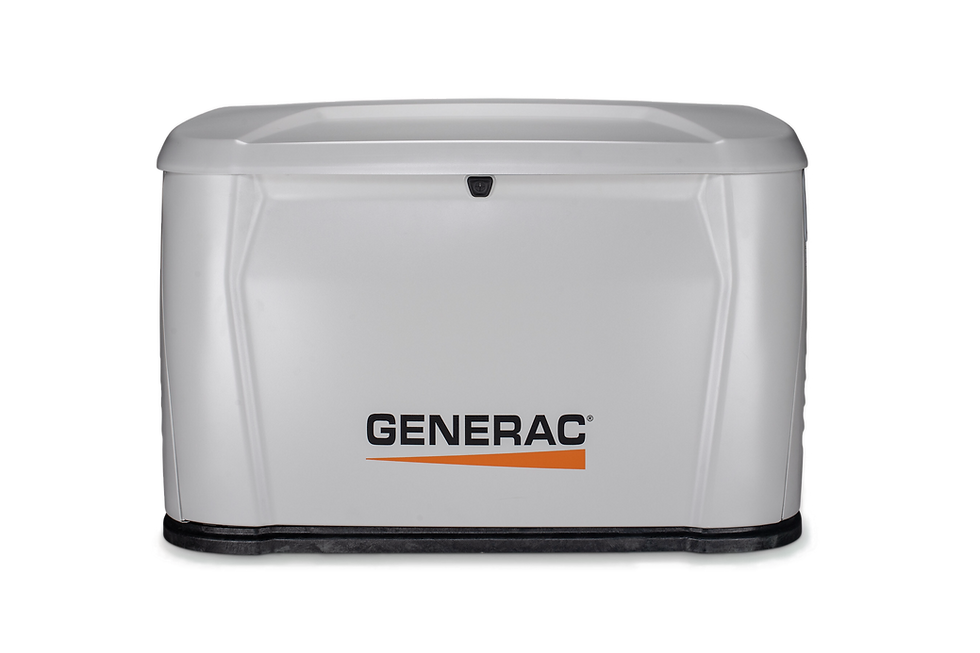
Generac: Known for a wide range of sizes and user-friendly features. Generac generators often include mobile apps for monitoring and have a strong reputation for durability.
Kohler: Offers premium generators with quiet operation and advanced technology. Kohler models are popular for their reliability and long warranties.
Briggs & Stratton: Provides cost-effective options with solid performance. Their generators are easy to install and maintain, making them a favorite among homeowners.
Each brand offers models that cover different power needs, so consider your budget and specific requirements when choosing.
Factors That Affect Generator Size Selection
Climate and Seasonal Needs
In hot summers, air conditioning units consume a lot of power. In cold winters, heating systems and water pumps draw significant electricity. Your generator must handle these seasonal peaks to keep your home comfortable.
Home Size and Layout
Larger homes with multiple HVAC zones or electric heating require bigger generators. Smaller homes or those with gas heating may need less power.
Fuel Type and Availability
Most home standby generators run on natural gas or propane. Consider fuel availability and storage when selecting your generator.
Future Power Needs
If you plan to add appliances or upgrade your HVAC system, choose a generator with some extra capacity to accommodate growth.
Installation and Maintenance Tips
Proper installation by a licensed professional ensures your generator operates safely and efficiently. Regular maintenance, including oil changes, battery checks, and system tests, keeps your generator ready for any outage.
Final Thoughts on Choosing the Best Generator Size
Choosing the right generator size is crucial for ensuring that your power needs are met efficiently and safely. It is essential to consider factors such as the total wattage required by your appliances, the type of generator (portable or standby), and the duration for which you will need power. Additionally, understanding the difference between starting and running wattages can help you avoid potential overloads. By carefully assessing your requirements and consulting with professionals if necessary, you can select a generator that not only meets your immediate needs but also provides peace of mind during power outages or while on the go. Ultimately, investing time in this decision will ensure that you have a reliable power source when it matters most.