


Is Your Home Wiring Due for an Inspection? Key Warning Signs Every Homeowner Should Know
Updated: Aug 27
A home’s electrical system usually stays out of sight, which makes it easy to forget until something feels off. A light flickers. A breaker trips again. An outlet smells strange when the space heater is running. Many of these signs seem small on their own, but they can point to wiring problems that deserve a closer look.
The reassuring news is that an inspection does not mean something terrible is already happening. It is a practical safety check. A qualified electrician can spot worn parts, overloaded circuits, loose connections, outdated wiring, and other issues before they become costly or dangerous.
This guide explains the most common signs that your home wiring may need attention, why regular inspections matter, how to choose the right electrician, and what to expect when the inspection happens.

Warning signs that your wiring needs an inspection
Some electrical problems announce themselves clearly. Others show up as small changes in how your lights, outlets, or appliances behave. If you notice any of the signs below, schedule an inspection rather than guessing.
Flickering or dimming lights
A light that flickers once during a storm may not mean much. But lights that flicker often, dim when an appliance turns on, or brighten and fade for no clear reason can signal a wiring or circuit issue.
Common causes include:
Loose wiring connections
Overloaded circuits
Aging switches or fixtures
Problems with the electrical panel
Large appliances drawing power from a circuit that cannot handle the load
Pay attention to patterns. If one lamp flickers, the lamp or bulb may be the issue. If lights flicker across several rooms, or if the flickering happens when the HVAC system, microwave, or washing machine starts, call an electrician.
Frequent circuit breaker trips
Circuit breakers protect your home by shutting off power when a circuit is overloaded or when there is a fault. An occasional trip can happen. Frequent trips are different.
A breaker that trips again and again may mean the circuit is carrying more than it should. It can also point to damaged wiring, a failing breaker, or an appliance problem.
Do not keep resetting the same breaker without finding the cause. The breaker is doing its job by interrupting power. Treat repeated trips as a warning, not an inconvenience.
Burning smells or smoky odors
A burning smell near an outlet, switch, appliance, light fixture, or electrical panel needs prompt attention. Some homeowners describe electrical odors as hot plastic, burning dust, or a fishy smell. Any unexplained smell around electrical components should be taken seriously.
If you notice a burning odor:
Turn off the switch or unplug the device if it is safe to do so
Do not touch a hot outlet, switch, or panel
Turn off power to the area at the breaker if you can do it safely
Call a licensed electrician
If you see smoke, sparks, or fire, leave the home and call 911
Never ignore a burning smell. Electrical heat can build behind walls before visible damage appears.
Warm or discolored outlets and switches
Outlets and switches should not feel hot. Slight warmth from a dimmer switch may be normal depending on the model and connected load, but heat around a standard outlet or switch is a reason to investigate.
Look for:
Brown or black marks
Melted plastic
A warm faceplate
Crackling sounds
Loose plugs that fall out
Sparks when plugging in a device
These can point to loose connections, worn outlets, or wiring that is heating under load.
Buzzing sounds from outlets, switches, or the panel
Electricity should operate quietly. A faint hum from some appliances is normal, but buzzing from outlets, switches, fixtures, or the electrical panel is not something to ignore.
Buzzing may come from loose wiring, arcing, overloaded circuits, or failing electrical parts. If the sound is new, loud, or paired with heat or odor, schedule service right away.
Small shocks when touching appliances or switches
A mild shock or tingling feeling when touching a switch, appliance, or metal fixture can indicate a grounding problem or wiring fault. Static electricity can cause a quick zap in dry weather, but repeated shocks around the same electrical item call for an inspection.
Grounding and bonding help direct stray current safely. If those systems are damaged or outdated, the risk goes up.
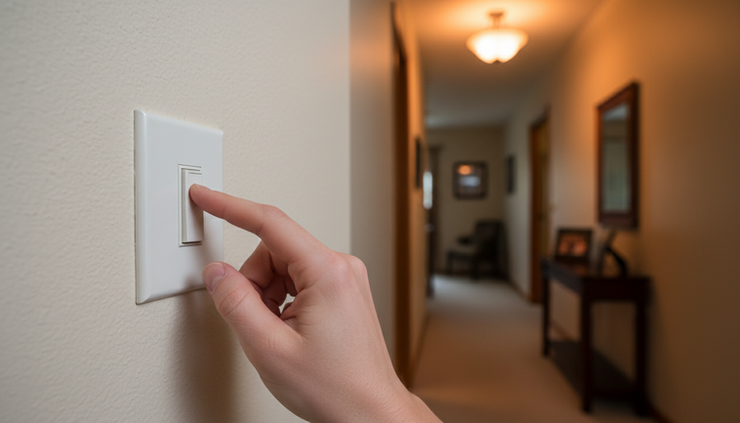
Regular inspections protect safety and improve efficiency
An electrical inspection is not only for emergencies. Like a roof check or HVAC tune-up, it helps catch wear before it creates a larger problem.
Wiring ages. Connections loosen over time. Electrical needs also change. A home built decades ago may now support multiple computers, televisions, chargers, kitchen appliances, smart devices, and high-demand equipment. Older circuits may not match how the home is used today.
Regular inspections can help with several goals.
Reducing fire risk
Many electrical hazards start with heat. Loose connections, overloaded circuits, damaged insulation, and incorrect wiring can all create unsafe conditions. An inspection helps identify these risks before they lead to smoke, sparks, or fire.
Protecting appliances and electronics
A wiring problem does not only affect lights and outlets. Sensitive electronics can suffer from poor connections, grounding issues, or unstable power. An electrician can check whether the system is providing safe, steady power.
Improving everyday efficiency
A safe electrical system also works more efficiently. Loose or damaged connections can create resistance, which wastes energy as heat. Overloaded circuits may force homeowners to rely on extension cords or power strips, neither of which should replace properly installed outlets and circuits.
Planning for upgrades
If you plan to remodel, add a home office, install an EV charger, upgrade appliances, finish a basement, or add a hot tub, an electrical inspection can show whether your panel and circuits are ready.
A home wiring inspection is especially wise when:
You are buying or selling a home
The home is more than 25 years old
You notice recurring electrical problems
You are adding major appliances or equipment
You see outdated wiring materials
The panel has no clear labels
Previous DIY electrical work is visible
You rely heavily on extension cords
Even if nothing seems wrong, a periodic inspection gives helpful peace of mind.
When to call an electrician right away
Some signs can wait for a scheduled inspection within a reasonable time. Others need same-day help or emergency attention.
Call an electrician promptly if you notice:
A burning smell from an outlet, switch, fixture, or panel
Smoke, sparks, or scorch marks
Breakers that trip immediately after reset
Outlets or switches that feel hot
Buzzing or crackling sounds from wiring points
A partial power loss in the home
Water near electrical wiring, outlets, or the panel
Repeated shocks from appliances or switches
If there is active smoke, fire, or a strong burning smell, leave the area and call emergency services.
For less urgent symptoms, note what happened before calling. Did the breaker trip when the dryer started? Do the kitchen lights dim when the microwave runs? Does one outlet smell warm only when a space heater is plugged in? These details help the electrician find the issue faster.
Resist the urge to open outlets or inspect wiring yourself. It may look simple on a video, but hidden electrical faults can be dangerous. A licensed electrician has the tools, training, and testing equipment to diagnose the issue safely.

How to find a qualified electrician
Choosing the right electrician matters as much as deciding to get an inspection. Electrical work affects safety, code compliance, insurance, and future resale value.
Start with licensing. In most parts of the United States, electricians must hold a state or local license. Licensing rules vary, but a qualified electrician should be able to provide their license information and explain what type of work they are authorized to perform.
Next, ask about insurance. A reputable electrician should carry liability coverage and, when applicable, workers’ compensation. This protects both the worker and the homeowner if something goes wrong.
Look for these signs of a reliable professional:
Clear license information
Proof of insurance
Experience with residential inspections
Familiarity with local code requirements
Written estimates before major work begins
Clear communication about findings and next steps
Willingness to answer questions
Good recent reviews from homeowners
No pressure to approve unnecessary work on the spot
Ask practical questions before scheduling:
Do you perform whole-home electrical inspections?
What does your inspection include?
Will I receive a written report or summary?
Can you identify urgent safety issues during the visit?
Do you handle permits if repairs require them?
How do you price repairs found during the inspection?
Be careful with unusually low quotes that skip details. A cheap inspection that only glances at the panel may miss problems. At the same time, a high-pressure sales pitch is not a good sign. The right electrician should explain issues in plain language and help you understand what needs immediate attention versus what can be planned.
Personal referrals can be helpful. Ask neighbors, friends, real estate agents, or local community groups who they trust. Online reviews can also help, especially when they mention punctuality, clear explanations, cleanup, and honest pricing.
What to expect during an electrical inspection
A home electrical inspection is usually straightforward. The electrician will check visible and accessible parts of the system, ask about symptoms, and test key components. The exact scope can vary based on the home and the reason for the visit.
A typical inspection may include:
Electrical panel review
The electrician checks the panel for proper labeling, signs of overheating, corrosion, loose connections, outdated components, and capacity concerns. They may look for double-tapped breakers, missing covers, or other issues that need correction.
Outlet and switch testing
The electrician may test a sample of outlets or all accessible outlets, depending on the inspection type. They can check polarity, grounding, GFCI protection, physical damage, loose devices, and signs of heat.
GFCI and AFCI protection checks
GFCI outlets help protect against shock in areas such as bathrooms, kitchens, garages, basements, laundry rooms, and outdoor spaces. AFCI protection helps reduce certain fire risks from arcing faults. Requirements have changed over time, so older homes may not have the same protection as newer ones.
Lighting and fixture review
The electrician may inspect fixtures, ceiling fans, recessed lighting, and switches for proper installation, overheating, or other concerns.
Visible wiring inspection
In accessible areas such as basements, attics, garages, and crawl spaces, the electrician may look for damaged cables, open junction boxes, unsupported wiring, outdated materials, or poor past repairs.
Load and capacity discussion
If the home has frequent breaker trips or planned upgrades, the electrician may discuss panel capacity and whether dedicated circuits are needed for certain appliances or equipment.
Before the visit, make the electrical panel easy to access. Move boxes, furniture, or stored items out of the way. Make a list of symptoms, including where they happen and how often. If certain appliances trigger problems, mention them.
After the inspection, expect a clear explanation of findings. Some issues may be simple, such as replacing a worn outlet or tightening a connection. Others may require more planning, such as adding a dedicated circuit, replacing damaged wiring, or upgrading an older panel.
A good electrician should separate findings into clear priority levels:
Priority | What it means | Example |
Immediate safety concern | Needs fast attention | Burning smell, hot outlet, exposed wiring |
Needed repair | Should be scheduled soon | Loose outlet, incorrect wiring, failed GFCI |
Recommended improvement | Helps safety or function | Better labeling, added outlets, circuit updates |
Future planning item | Tied to upgrades or age | Panel capacity review before an EV charger |
Do not feel embarrassed if problems are found. Electrical systems are complex, and many issues come from age, wear, past repairs, or changes in how the home is used. Finding the problem is the first step toward making the home safer.

The best time to deal with wiring concerns is before they interrupt daily life. Flickering lights, frequent breaker trips, burning smells, warm outlets, buzzing sounds, and small shocks are all signs worth taking seriously. Regular inspections also help keep the electrical system safer, more efficient, and better prepared for modern power needs.
If something feels wrong, trust that instinct. Turn off power when it is safe, avoid DIY fixes, and call a licensed electrician. A careful inspection can replace uncertainty with clear answers, and that is a much better feeling than hoping the problem goes away.


