


Understanding the Key Differences Between GFCI and AFCI Outlets
Electrical safety is a top priority for every homeowner. When it comes to protecting your home and family from electrical hazards, two types of outlets often come up: GFCI and AFCI. Both serve important safety functions but work in very different ways. Knowing the difference between these outlets can help you make informed decisions about your home’s electrical system and ensure you have the right protection where it matters most.
This post will explain what GFCI and AFCI outlets are, how they work, where to install them, and why each is essential for home safety.
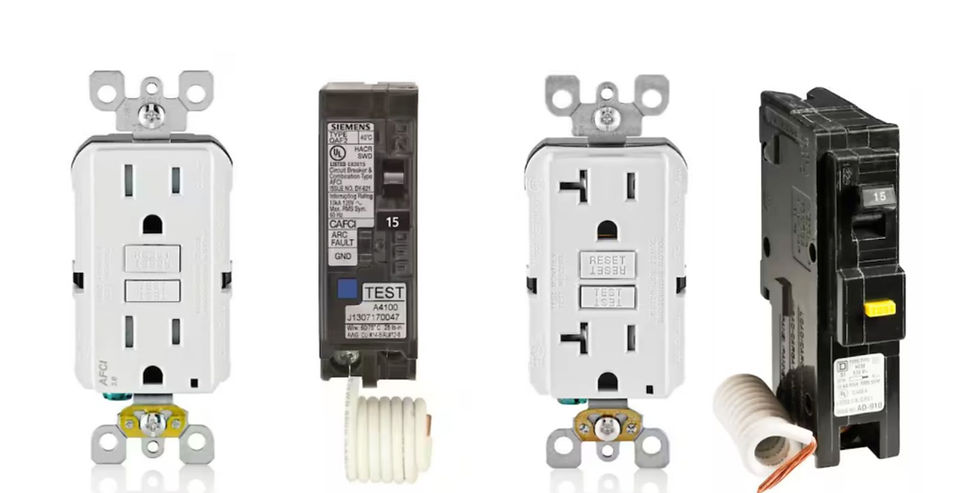
What Is a GFCI Outlet?
A GFCI outlet, or Ground Fault Circuit Interrupter, is designed to protect people from electrical shock. It monitors the flow of electricity in a circuit and quickly shuts off power if it detects an imbalance between the hot and neutral wires. This imbalance usually means electricity is leaking somewhere, possibly through a person who is grounded and touching the circuit.
How GFCI Works
Constantly compares the current flowing in and out of the circuit.
If the difference exceeds about 5 milliamps, it trips and cuts power in less than 1/40th of a second.
This rapid response helps prevent serious injury or death from electric shock.
Where GFCI Outlets Are Required
GFCI outlets are typically installed in areas where water and electricity are close together, increasing the risk of shock:
Bathrooms
Kitchens (especially near sinks)
Garages
Basements
Outdoor outlets
Laundry rooms
Practical Example
Imagine you are using a hairdryer in the bathroom and accidentally drop it into a sink filled with water. A GFCI outlet will detect the fault current and shut off power almost instantly, preventing a dangerous shock.
What Is an AFCI Outlet?
An AFCI outlet, or Arc Fault Circuit Interrupter, protects your home from electrical fires caused by arcing faults. Arcing happens when electricity jumps between wires or connections, creating high heat that can ignite nearby materials.
How AFCI Works
Detects irregular electrical arcs that standard circuit breakers might not catch.
Trips the circuit when it senses dangerous arcing patterns.
Helps prevent fires caused by damaged wiring, loose connections, or faulty appliances.
Where AFCI Outlets Are Required
AFCI protection is generally required in living areas where electrical fires are more likely to start:
Bedrooms
Living rooms
Dining rooms
Hallways
Other general living spaces
Practical Example
If a nail accidentally pierces a wire inside a wall, it can cause arcing. The AFCI outlet will detect this and shut off power before the heat causes a fire.
Key Differences Between GFCI and AFCI Outlets
Feature | GFCI Outlet | AFCI Outlet |
Purpose | Protects people from electrical shock | Protects home from electrical fires |
What It Detects | Ground faults (current leakage to ground) | Arc faults (sparks and electrical arcs) |
Typical Installation | Wet or damp locations | Living areas and bedrooms |
Trip Time | Very fast (milliseconds) | Fast, but slightly slower than GFCI |
Test Button | Yes, to check functionality | Yes, to check functionality |
Common Locations | Bathrooms, kitchens, outdoors | Bedrooms, living rooms, hallways |
Why Both GFCI and AFCI Matter for Home Safety
Many homeowners assume one type of outlet can cover all electrical safety needs, but that is not the case. Each device addresses a different hazard:
GFCI outlets prevent electric shocks, which can cause serious injury or death.
AFCI outlets prevent electrical fires, which can destroy property and endanger lives.
Modern electrical codes often require both types of protection in different parts of the home. Some newer devices combine GFCI and AFCI functions into a single outlet, offering comprehensive protection in one unit.
How to Identify GFCI and AFCI Outlets
Both outlets have test and reset buttons on their faceplates, but they look slightly different:
GFCI outlets usually have "Test" and "Reset" buttons, often colored differently (red and black).
AFCI outlets also have test buttons but may have labels indicating arc fault protection.
If you are unsure, check the outlet’s markings or consult an electrician.
Installation Tips for Homeowners
Hire a licensed electrician to install or replace GFCI and AFCI outlets. Proper installation is critical for safety.
Test your outlets monthly using the test button to ensure they work correctly.
Replace outlets that fail the test or show signs of damage.
Consider upgrading older homes to include AFCI protection in living areas.
Use GFCI outlets in all wet or damp locations, even if not required by code, for extra safety.
Common Questions About GFCI and AFCI Outlets
Can I use a GFCI outlet instead of an AFCI?
No. GFCI outlets protect against shock, while AFCI outlets protect against fire. They serve different purposes and are not interchangeable.
Are GFCI and AFCI outlets expensive?
They cost more than standard outlets but are affordable safety investments. Prices vary but expect around $20 to $50 per outlet plus installation.
Can I install these outlets myself?
If you have electrical experience, you might, but it is safer to hire a professional. Incorrect installation can create hazards.
Do all homes need AFCI outlets?
Newer building codes require AFCI protection in most living areas. Older homes may not have them but should consider upgrades.
Final Thoughts on Choosing the Right Electrical Outlets
Understanding the difference between GFCI and AFCI outlets helps you protect your home from two major electrical dangers: shock and fire. Both types of outlets are essential for a safe home electrical system. By installing GFCI outlets in wet areas and AFCI outlets in living spaces, you reduce risks and increase peace of mind.
If you are unsure about your current outlets or want to upgrade your home’s electrical safety, consult a licensed electrician. Regular testing and maintenance of these outlets ensure they function properly when you need them most.
